A natural leaf fibre
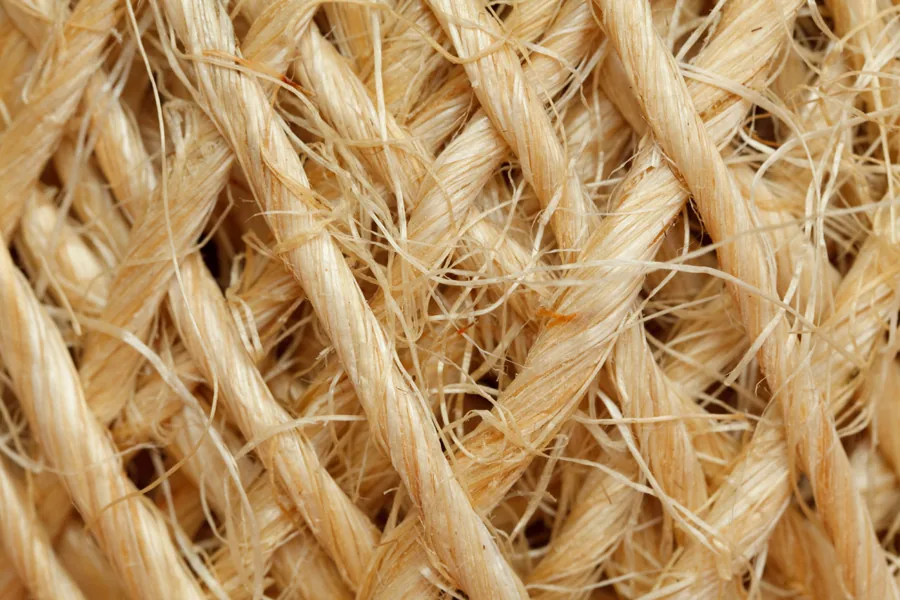
Sisal is a natural fibre obtained from Agave sisalana leaves. It is used in rope, twine and other industrial fibre products. Long fibre, tow and chopped fibre are distinct product forms. Their length, cleanliness and preparation influence how they behave in further processing and which applications they can serve.
What a sisal grade includes
A sisal grade describes several physical characteristics. Length is important, but colour, brushing quality, bark contamination, dust and tangled ends also contribute. The same grade name should therefore be interpreted using the grading system attached to it. Natural fibre is described through these material characteristics rather than a refined-metal-style purity percentage.
Examples of recognised grades
East African grading rules include Grade 1 (90 cm and over, well brushed, creamy white), Grade 2 (75–90 cm), 3L (long brushed fibre with minor defects), UG (60 cm and over, with wider colour variation allowed) and tow grades. National sisal authorities word their rules slightly differently, so the grading authority should be named. Length alone does not show that every part of a grade has been met.
Long fibre, tow and chopped material
Long fibre retains greater strand length for suitable cordage and processing applications. Tow contains shorter fibres separated during processing. Chopped fibre is prepared to a shorter form for its intended use. These are not interchangeable descriptions: the receiving process determines which form and physical characteristics are appropriate.
How bulk fibre is handled
Compressed bales reduce the space occupied by sisal and make it easier to stack and handle. Bale weight and dimensions depend on the press used, so the net weight of each bale is stated on the packing list. Binding, lot marks and net-weight records identify the material and support loading and receipt. Net fibre weight is distinct from the total weight of a packed bale. Clear weight records separate the fibre from its binding and other packing material, making quantities easier to compare across different bale arrangements.
Storage and product selection
Protection from water and contamination helps preserve natural fibre condition. Bale format also needs to suit the receiving equipment. For a wholesale enquiry, identify the fibre form, preferred grade and quantity, together with the delivery destination. The quotation confirms the proposed sisal, bale arrangement and commercial details for the order.