Two stages of the coffee trade
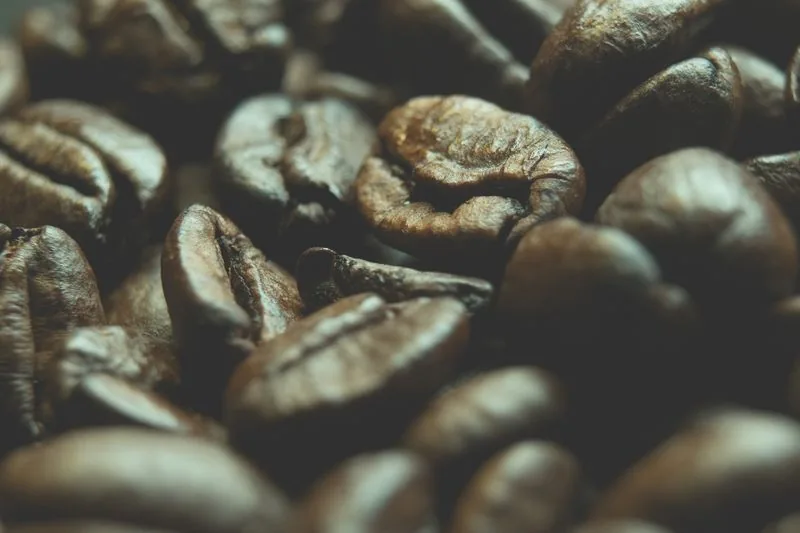
Green coffee is unroasted coffee intended for roasting or further processing. Roasted beans have already been developed to a roast profile and need freshness-focused packaging. Both can be traded in bulk, but they are different products. The distinction affects how a buyer assesses a sample, stores the coffee and uses it in a business.
Robusta as a species description
Robusta is the commercial name associated with Coffea canephora. It is used in roasting, blends and coffee ingredients. The species name does not, by itself, establish bean size, defects, origin or flavour. A complete description can include the origin, crop information and processing method alongside the physical grade.
Screens and defects
Screen descriptions such as 13, 16 and 18 refer to bean-size grading in parts of the trade. A screen number is not a cup score. Defect assessment records physical faults under a specified counting method, while moisture is measured separately. Origin-specific Grade 1 or Grade 2 descriptions also need the associated grading system to give them a precise meaning.
What a sample can show
Physical examination and tasting serve different purposes. An examination can show bean preparation and visible defects. Cup evaluation explores the drink produced from a sample roast. The sample should be connected to an identified lot so that its assessment remains useful when discussing a purchase. For roasted coffee, roast and packing information also matter to freshness.
Packing for green and roasted beans
A common green-coffee format is the 60 kg jute bag, with an appropriate barrier liner where required. Roasted coffee is often packed in 250 g, 500 g or 1 kg pouches made from suitable barrier material, with valves where appropriate. Outer cartons group smaller packs for distribution. The final bag format and net weight are part of the product offer.
Storage and a wholesale enquiry
Green coffee needs dry storage and separation from strong odours. Roasted beans need protection suited to their freshness period and distribution route. When discussing an order, identify green or roasted beans, species, quantity and the required preparation. The quotation then records the available coffee, packing and commercial terms without treating an origin or screen name as a complete specification.